

IMITI’s Sustainability Journey in Furniture Manufacturing
From Carbon Measurement to Climate Action
How energy efficiency, rooftop solar, and ESG are shaping a lower-carbon manufacturing future.
Global furniture manufacturing is entering a new era. International buyers increasingly want to understand not only product quality and production capacity, but also how manufacturers manage energy use, greenhouse gas emissions, and environmental responsibility.
At IMITI, sustainability is treated as a continuous process of measuring, improving, and investing in practical solutions that create measurable environmental benefits.
Measuring Before Improving
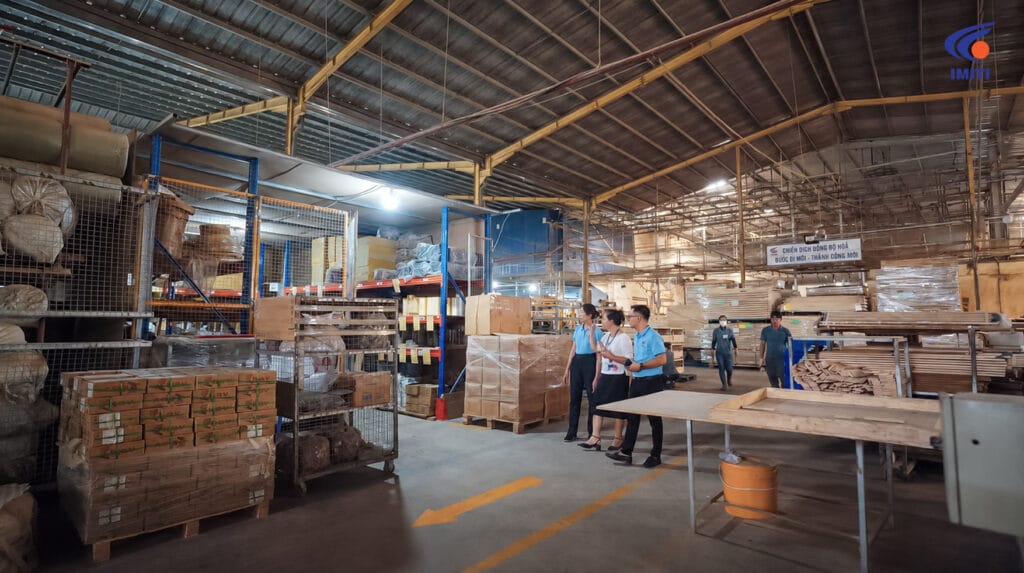
One of the biggest challenges in sustainability is taking action before understanding where emissions actually come from.
At IMITI, our first step was conducting a corporate Greenhouse Gas (GHG) Inventory covering Scope 1 and Scope 2 emissions.
IMITI’s GHG Baseline
- Total GHG emissions: 374.68 tCO₂e
- Scope 1 emissions: 5.55 tCO₂e
- Scope 2 emissions: 369.13 tCO₂e
- Emission intensity: 407 kgCO₂e per cubic meter of finished wood products
The assessment showed that purchased electricity represented more than 98% of our total greenhouse gas emissions.
Sustainability Starts with Data
Reliable environmental data provides the foundation for meaningful improvement.
Our GHG inventory allows IMITI to:
- Identify major emission sources
- Establish measurable environmental baselines
- Prioritize investments based on operational data
- Develop a structured decarbonization roadmap
- Monitor future improvements through consistent indicators
Building a Practical Decarbonization Roadmap
Our sustainability roadmap includes:
- Energy Audit & Baseline Assessment
- Corporate Greenhouse Gas Inventory
- GHG Reduction & Decarbonization Planning
- Digital Energy Monitoring & Energy Performance Indicators
- Rooftop Solar Power
- Compressed Air System Optimization
- Waste Heat Recovery
- ESG Performance Review & Continuous Improvement
Improving Energy Efficiency First
Before increasing renewable energy use, IMITI focused on improving how electricity is consumed throughout the factory.
Key Energy Efficiency Initiatives
- Optimizing compressed air systems
- Reducing idle machine operation
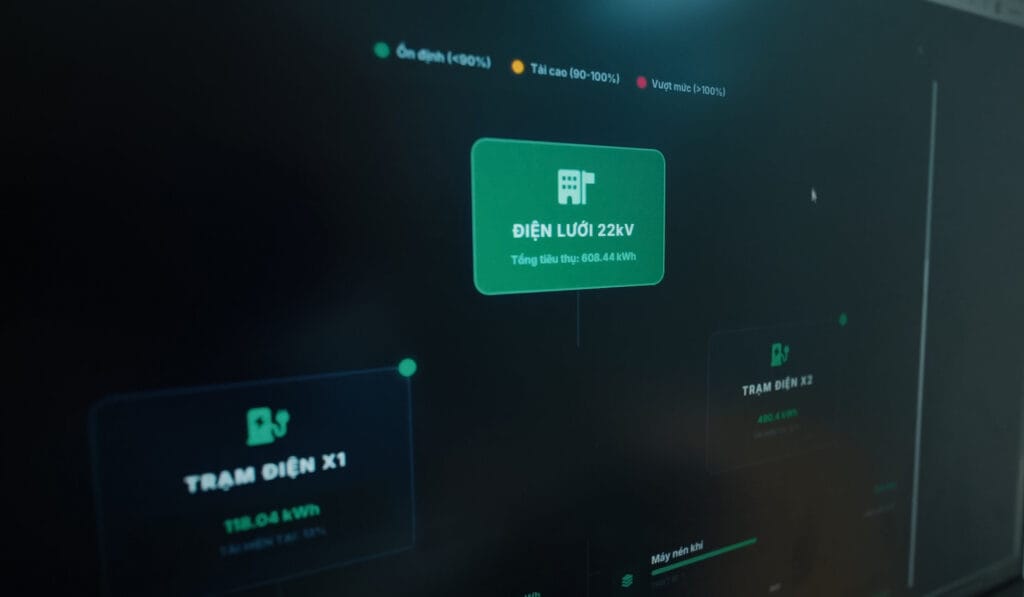
- Strengthening digital energy monitoring
- Improving production scheduling
- Recovering waste heat for drying processes
- Increasing employee awareness of energy efficiency
According to our energy assessment, these initiatives have the potential to reduce electricity consumption by approximately 206,321 kWh per year, corresponding to an estimated reduction of 136.01 tCO₂e annually.
Why Rooftop Solar Became a Priority
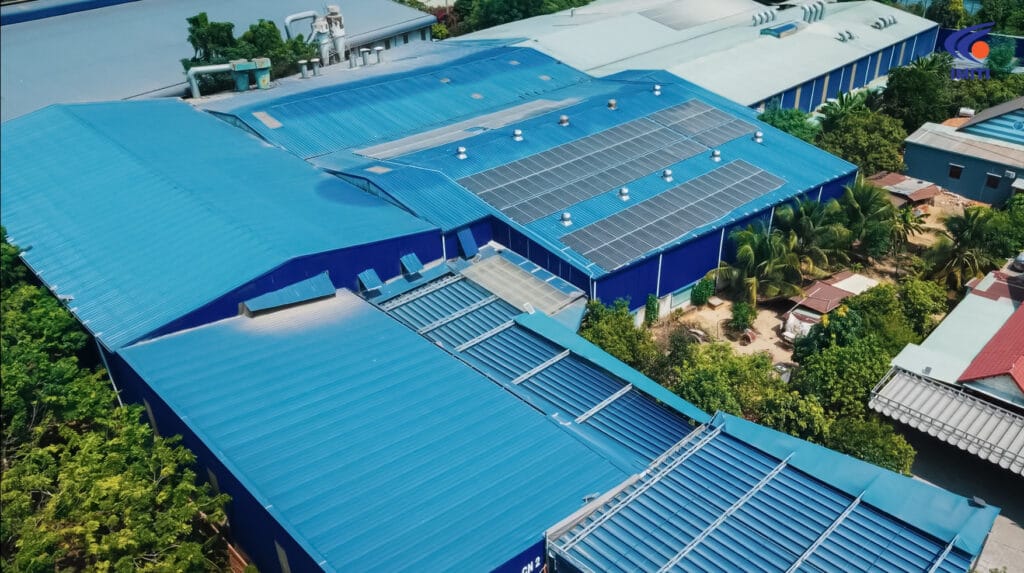
Because purchased electricity represented the largest source of emissions, replacing part of grid electricity with renewable energy became a practical priority.
IMITI installed a 100 kWp rooftop solar system as part of its long-term decarbonization strategy.
Estimated Solar Energy Impact
The energy assessment estimated:
- 147,825 kWh of renewable electricity annually
- 97.45 tCO₂e of potential greenhouse gas reductions per year
The system helps reduce reliance on grid electricity while increasing renewable energy use in manufacturing operations.
Sustainability Beyond Carbon
Reducing greenhouse gas emissions is only one part of responsible manufacturing.
At IMITI, sustainability is also connected to our broader Environmental, Social, and Governance (ESG) approach.
Environmental
Improving energy efficiency, increasing renewable electricity, reducing greenhouse gas emissions, and minimizing environmental impact.
Social
Supporting a safe working environment, employee participation, and continuous improvement across factory operations.
Governance
Strengthening transparency through environmental data, monitoring systems, management processes, and performance reviews.
Continuous Improvement, Not a Finish Line
Sustainability is an ongoing process.
Our GHG inventory provided the baseline. Energy efficiency initiatives improve how electricity is used. Rooftop solar increases renewable energy use. Digital monitoring helps us measure progress over time.
Together, these initiatives form the foundation of IMITI’s long-term sustainability strategy.
Key Sustainability Highlights
- Completed a corporate GHG Inventory covering Scope 1 and Scope 2
- Identified purchased electricity as the primary emission source
- Established a measurable baseline for carbon management
- Implemented energy efficiency initiatives
- Installed a 100 kWp rooftop solar system
- Integrated environmental data into ESG management
- Continue monitoring and reducing environmental impact
Toward More Sustainable Furniture Manufacturing
As international markets place greater emphasis on ESG, responsible sourcing, and lower-carbon supply chains, IMITI continues improving its environmental performance while maintaining manufacturing quality and reliability.
For us, sustainable furniture manufacturing is not a one-time initiative. It is an ongoing process of measurement, improvement, investment, and accountability.
Recent Comments