
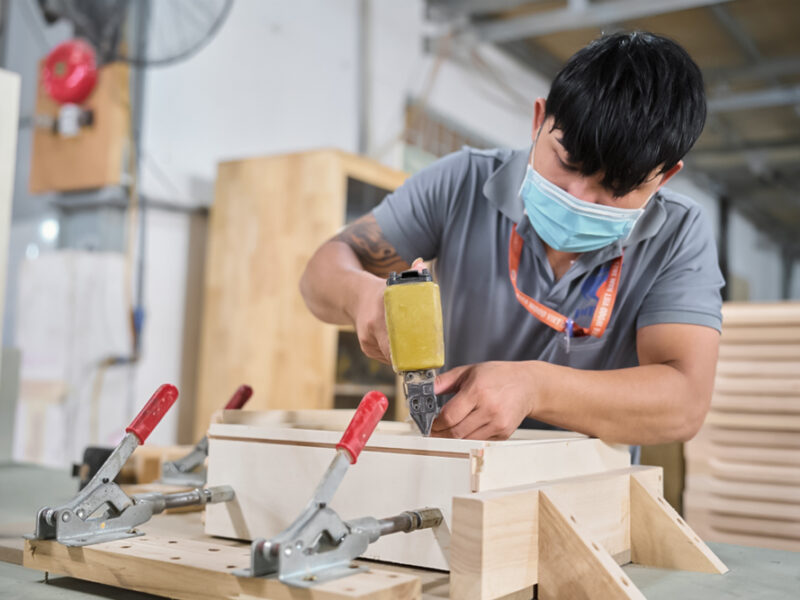
How to Find a Reliable Wooden Pet Furniture Manufacturer in Vietnam
Finding a reliable wooden pet furniture manufacturer in Vietnam requires more than comparing prices. For pet brands, importers, and wholesalers, the right manufacturing partner should combine woodworking expertise, product development capabilities, consistent quality control, and export experience.
Vietnam’s established furniture manufacturing industry offers opportunities for businesses looking to develop wooden pet furniture, including dog crate furniture, wooden pet beds, cat houses, and litter box enclosures.
However, not every furniture factory is equipped to manufacture pet-specific products.
This guide explains what buyers should evaluate before selecting a manufacturing partner in Vietnam.
Why Source Wooden Pet Furniture from Vietnam?
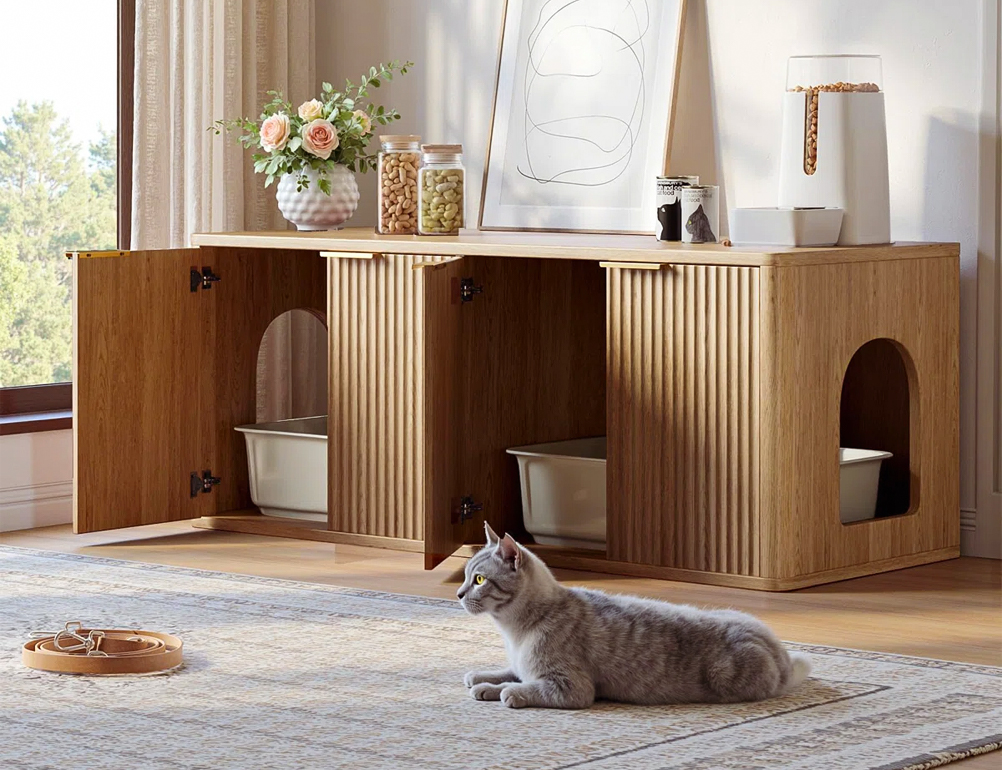
Vietnam is an established manufacturing base for export-oriented wooden furniture. Its woodworking industry provides a foundation for developing pet products that combine furniture design with practical functionality.
For brands focused on wood-based pet furniture, potential advantages include:
- Woodworking expertise: Experience with solid wood, plywood, MDF, veneer, and furniture finishing.
- OEM/ODM development: Opportunities to customize designs, dimensions, materials, and construction.
- Furniture-style designs: Manufacturing capabilities relevant to pet products that complement residential interiors.
- Export manufacturing experience: Established processes for furniture production, packaging, and international shipping.
These advantages depend on the individual factory. Buyers should verify whether a manufacturer can meet the technical requirements of their specific pet furniture collection.
- Evaluate the Manufacturer’s Woodworking Capabilities
The first step is identifying manufacturers with experience producing wooden furniture rather than relying solely on general pet product suppliers.
Wooden pet furniture often requires similar manufacturing processes to residential furniture, including panel processing, CNC machining, joinery, sanding, and finishing.
Ask potential suppliers about their experience with:
- Solid wood and engineered wood panels
- CNC cutting and precision machining
- Furniture joinery and knock-down (KD) construction
- Surface finishing and edge treatment
- Product assembly and structural stability
For example, a wooden dog crate designed as an end table requires both furniture manufacturing expertise and appropriate pet-specific design considerations.
A manufacturer experienced in cabinet or bedroom furniture production may have relevant capabilities, but its ability to produce safe and functional pet furniture must still be evaluated.
- Check OEM/ODM and Customization Capabilities
For pet brands developing private-label collections, OEM/ODM capabilities are an important supplier selection factor.
OEM manufacturing generally involves producing products according to buyer-provided designs and specifications.
ODM manufacturing may involve the manufacturer contributing to product design and development, depending on the agreed scope.
A suitable manufacturing partner should be able to discuss customization requirements such as:
| Customization Area | What Buyers Should Evaluate |
| Materials | Solid wood, plywood, MDF, veneer, and other suitable options |
| Dimensions | Product sizes adapted to target pet categories |
| Construction | Fixed assembly, KD design, and connection methods |
| Finishes | Colors, coatings, surface appearance, and durability |
| Components | Hardware, removable cushions, and supplementary fabric elements |
| Packaging | Export cartons, protective materials, and private-label packaging |
For wood-based pet furniture, cushions and fabric components may be incorporated as secondary elements rather than forming the primary product structure.
Buyers should confirm the manufacturer’s development responsibilities, sample process, and technical capabilities before placing an order.
- Assess Pet-Specific Product Design Requirements
Manufacturing wooden furniture and manufacturing pet furniture are not exactly the same.
Pet furniture must consider how animals interact with the product, including movement, chewing, scratching, resting, and entering or exiting enclosed spaces.
Important design considerations include:
Structural stability: Products should remain stable during their intended use.
Edges and hardware: Exposed edges, fasteners, and connection points should be assessed for potential injury risks.
Ventilation: Enclosed products, including dog crates and cat houses, require appropriate airflow.
Surface durability: Materials and finishes should be selected with cleaning, moisture exposure, and expected wear in mind.
Product dimensions: Internal space, entry openings, and accessibility should suit the intended animal size and use.
Buyers should establish product-specific safety requirements and confirm applicable destination-market regulations. Relevant testing should be determined by product design and market requirements rather than assumed from general furniture manufacturing experience.
- Review Quality Control and Sample Development
A reliable manufacturing partner should have a defined process for reviewing product specifications, developing samples, and inspecting production quality.
Before mass production, buyers should request a physical sample to evaluate:
- Material consistency and panel quality
- Dimensions and manufacturing tolerances
- Joinery strength and assembly accuracy
- Surface finish and edge treatment
- Hardware installation and product stability
- Packaging protection and assembly instructions
A sample approval process helps identify potential problems before larger production commitments.
Buyers should also clarify how the factory manages incoming materials, in-process inspections, final quality checks, and corrective actions.
- Compare MOQ, Lead Times, and Total Sourcing Costs
Price is important, but the lowest FOB quotation does not necessarily represent the best sourcing decision.
When comparing wooden pet furniture manufacturers, consider the following factors:
| Sourcing Factor | Questions to Ask |
| MOQ | What is the minimum quantity per model, color, or material? |
| Sampling | What are the sample costs and development timelines? |
| Production lead time | How long does production take after sample approval? |
| Packaging | Is the product shipped assembled or flat-packed? |
| Quality control | Which inspections are included in the quotation? |
| Shipping | What are the carton dimensions, weights, and loading quantities? |
Knock-down construction may reduce shipping volume for suitable products, but buyers must also consider assembly complexity, hardware requirements, and structural performance.
The final sourcing decision should account for total landed cost, including manufacturing, packaging, freight, duties, inspections, and potential quality-related expenses.
- Verify Export Readiness and Communication
International buyers should assess whether a manufacturer can manage export orders consistently.
Important considerations include export packaging experience, documentation accuracy, production scheduling, and communication throughout product development.
A practical way to evaluate a supplier is to submit a detailed RFQ containing product drawings, target materials, expected quantities, packaging requirements, and destination market.
The quality of the manufacturer’s response can reveal its technical understanding and ability to identify potential production challenges.
Buyers may also request factory information, production references, and relevant export experience where available.
Wooden Pet Furniture Manufacturing in Vietnam with IMITI

For brands developing furniture-style pet products, working with an established wooden furniture manufacturer can provide a practical starting point.
IMITI is a Vietnam-based furniture manufacturer focused on wood-based products and OEM/ODM development.
Its manufacturing approach is relevant to wooden pet furniture concepts where woodworking, material selection, construction, finishes, and packaging are central to the product.
Explore IMITI’s wooden pet furniture manufacturing capabilities to learn more about potential OEM/ODM development opportunities.
Frequently Asked Questions
Is Vietnam a good place to manufacture wooden pet furniture?
Vietnam has an established export-oriented furniture industry, making it a potential sourcing destination for wooden pet furniture. Buyers should evaluate individual factories based on product capabilities, quality control, costs, and export readiness.
Can furniture manufacturers produce custom pet furniture?
Some furniture manufacturers can support custom pet furniture development using their existing woodworking and product engineering capabilities. However, pet-specific design requirements, safety considerations, and production feasibility must be verified.
What materials are commonly used in wooden pet furniture?
Common material options include solid wood, plywood, MDF, and veneered panels. The appropriate choice depends on product construction, durability requirements, moisture exposure, finish, and target price.
What should buyers prepare before contacting a pet furniture manufacturer?
Buyers should prepare product reference images or technical drawings, target dimensions, preferred materials, estimated order quantities, packaging expectations, and destination market requirements.
Final Thoughts
Finding a reliable wooden pet furniture manufacturer in Vietnam requires evaluating more than production capacity or price.
The strongest manufacturing partnerships are built around product compatibility, engineering capabilities, quality control, clear communication, and realistic commercial expectations.
For pet brands and importers, choosing a manufacturer with relevant woodworking expertise can be an important first step toward developing a competitive wooden pet furniture collection.
Recent Comments